
Hyundai Kona price and specs in Australia (2026)
The Hyundai Kona is Hyundai's five-seat small SUV, sitting below the Tucson. The current, second-generation Kona arrived in Australia in 2024, and it's bigger in every direction than the car it replaced: 4385mm long with a 2660mm wheelbase. Petrol and hybrid versions are covered here; the Kona Electric has its own page.
The range starts with a 2.0-litre petrol engine (110kW and 180Nm) with a CVT, from $33,950 before on-road costs. The Kona Hybrid pairs a 1.6-litre petrol engine with an electric motor for 104kW and 265Nm, drives the front wheels through a six-speed dual-clutch automatic and claims 3.9L/100km. Both come in base, Elite and Premium grades, with N Line versions, and the hybrid-only Kona BLK Edition joined the range in October 2026 at $42,600. The top Hybrid Premium N Line is $48,950.
Every Kona has a 12.3-inch touchscreen with DAB+, seven airbags including a front-centre airbag, and Hyundai's SmartSense safety suite. Premium grades add Bose audio, heated and ventilated front seats and a surround-view camera. Hyundai's warranty is five years with unlimited kilometres, extending to seven years when the car is serviced at Hyundai, and the hybrid battery is covered for eight years or 160,000km. ANCAP rated the current Kona four stars under its 2023 test protocols.
The Hyundai Kona is on sale in Australia in 13 variants, priced from $33,950 to $48,950 before on-road costs, with petrol and hybrid power.
Hyundai Kona price list
Current Australian line-up
| Variant | Powertrain | Key spec | Price* |
|---|---|---|---|
| 2.0 MPi CVT MY27 Petrol · 110kW · FWD · 5 seats | Petrol | 110kW · FWD · 5 seats | $33,950 |
| 2.0 MPi N Line CVT MY25 Petrol · 110kW · FWD · 5 seats | Petrol | 110kW · FWD · 5 seats | $36,500 |
| 1.6 Hybrid DCT MY27 Hybrid · 104kW · FWD · 5 seats | Hybrid | 104kW · FWD · 5 seats | $36,950 |
| 2.0 MPi Elite CVT MY27 Petrol · 110kW · FWD · 5 seats | Petrol | 110kW · FWD · 5 seats | $36,950 |
| 1.6 Hybrid Elite DCT MY27 Hybrid · 104kW · FWD · 5 seats | Hybrid | 104kW · FWD · 5 seats | $39,950 |
| 2.0 MPi Elite N Line CVT MY27 Petrol · 110kW · FWD · 5 seats | Petrol | 110kW · FWD · 5 seats | $40,450 |
| 1.6 Hybrid N Line DCT MY25 Hybrid · 104kW · FWD · 5 seats | Hybrid | 104kW · FWD · 5 seats | $40,500 |
| 1.6 Hybrid BLK Edition DCT MY27 Hybrid · 104kW · FWD · 5 seats | Hybrid | 104kW · FWD · 5 seats | $42,600 |
| 2.0 MPi Premium CVT MY27 Petrol · 110kW · FWD · 5 seats | Petrol | 110kW · FWD · 5 seats | $42,950 |
| 1.6 Hybrid Elite N Line DCT MY27 Hybrid · 104kW · FWD · 5 seats | Hybrid | 104kW · FWD · 5 seats | $43,450 |
| 1.6 Hybrid Premium DCT MY27 Hybrid · 104kW · FWD · 5 seats | Hybrid | 104kW · FWD · 5 seats | $45,950 |
| 2.0 MPi Premium N Line CVT MY27 Petrol · 110kW · FWD · 5 seats | Petrol | 110kW · FWD · 5 seats | $45,950 |
| 1.6 Hybrid Premium N Line DCT MY27 Hybrid · 104kW · FWD · 5 seats | Hybrid | 104kW · FWD · 5 seats | $48,950 |
*Manufacturer's list price before on-road costs. Check with a dealer for drive-away pricing.

Older Hyundai Kona variants (88)
2027
2026
- 2.0 MPi CVT $33,700
- 2.0 MPi Elite CVT $36,700
- 1.6 Hybrid DCT $36,950
- 1.6 Elite DCT $39,700
- 1.6 Hybrid Elite DCT $39,950
- 2.0 MPi Elite N Line CVT $40,200
- 2.0 MPi Premium CVT $42,700
- 1.6 Hybrid Elite N Line DCT $43,450
- 2.0 MPi Premium N Line CVT $45,700
- 1.6 Hybrid Premium DCT $45,950
- 1.6 Hybrid Premium N Line DCT $48,950
- 1.6 T-GDi Premium N Line Auto AWD $49,700
2025
- 2.0 MPi CVT $32,500
- 1.6 Hybrid DCT $36,500
- 2.0 MPi Premium CVT $39,500
- 1.6 T-GDi N Line Auto AWD $40,500
- 2.0 MPi Premium N Line CVT $42,500
- 1.6 Hybrid Premium DCT $43,500
- 1.6 Hybrid Premium N Line DCT $46,500
- 1.6 T-GDi Premium N Line Auto AWD $46,500
2024
- 2.0 MPi CVT $32,000
- 1.6 Hybrid DCT $36,000
- 2.0 MPi N Line CVT $36,000
- 2.0 MPi Premium CVT $39,500
- 1.6 Hybrid N Line DCT $40,000
- 1.6 T-GDi N Line Auto AWD $40,000
- 2.0 MPi Premium N Line CVT $42,500
- 1.6 Hybrid Premium DCT $43,500
- 1.6 Hybrid Premium N Line DCT $46,500
- 1.6 T-GDi Premium N Line Auto AWD $46,500
2023
- 2.0 MPi CVT $26,900
- 2.0 MPi Active CVT $28,500
- 2.0 MPi Elite CVT $31,900
- 1.6 T-GDi N Line DCT 4WD $37,100
- 2.0 MPi Highlander Sunroof CVT $38,300
- 1.6 T-GDi N Line Premium DCT 4WD $43,200
2022
- 2.0 MPi CVT $26,900
- 2.0 MPi Active CVT $28,500
- 2.0 MPi Elite CVT $31,900
- 1.6 T-GDi N Line DCT 4WD $37,100
- 2.0 MPi Highlander Sunroof CVT $38,300
- 1.6 T-GDi N Line Premium DCT 4WD $43,200
2021
- 2.0 MPi CVT $26,600
- 2.0 MPi Active CVT $28,200
- 2.0 MPi Elite CVT $31,600
- 1.6 T-GDi N Line DCT 4WD $36,300
- 2.0 MPi Highlander Sunroof CVT $38,000
- 1.6 T-GDi N Line Premium DCT 4WD $42,400
2020
- 2.0 MPi Go Auto $24,300
- 2.0 MPi Active Auto $26,060
- 1.6 T-GDi Go DCT 4WD $27,800
- 1.6 T-GDi Active DCT 4WD $29,590
- 2.0 MPi Elite Auto $30,600
- 1.6 T-GDi Elite DCT 4WD $34,140
- 2.0 MPi Highlander Sunroof Auto $36,660
- 2.0 MPi Highlander Two-Tone Auto $36,660
- 1.6 T-GDi Highlander Sunroof DCT 4WD $40,200
- 1.6 T-GDi Highlander Two-Tone DCT 4WD $40,200
- Electric Elite $60,140
- Electric Highlander $64,640
2019
- 2.0 MPi Go Auto $23,800
- 2.0 MPi Go SmartSense Auto $25,300
- 2.0 MPi Active Auto $26,060
- 1.6 T-GDi Go DCT 4WD $27,300
- 2.0 MPi Active SmartSense Auto $27,570
- 1.6 T-GDi Go SmartSense DCT 4WD $28,800
- 1.6 T-GDi Active DCT 4WD $29,590
- 2.0 MPi Elite Auto $30,100
- 1.6 T-GDi Active SmartSense DCT 4WD $31,110
- 1.6 T-GDi Elite DCT 4WD $33,630
- 2.0 MPi Highlander Sunroof Auto $36,160
- 2.0 MPi Highlander Two-Tone Auto $36,160
- 1.6 T-GDi Highlander Sunroof DCT 4WD $39,690
- 1.6 T-GDi Highlander Two-Tone DCT 4WD $39,690
- 1.6 T-GDi Iron Man Edition DCT 4WD $40,690
- Electric Elite $59,990
- Electric Highlander $64,490
2018
- 2.0 MPi Active Auto $24,500
- 2.0 MPi Active Safety Pack Auto $26,000
- 2.0 MPi Launch Edition Auto $27,500
- 1.6 T-GDi Active DCT 4WD $28,000
- 2.0 MPi Elite Auto $28,500
- 1.6 T-GDi Active Safety Pack DCT 4WD $29,500
- 1.6 T-GDi Launch Edition DCT 4WD $31,000
- 1.6 T-GDi Elite DCT 4WD $32,000
- 2.0 MPi Highlander Auto $33,000
- 1.6 T-GDi Highlander DCT 4WD $36,000
Our verdict on the Hyundai Kona
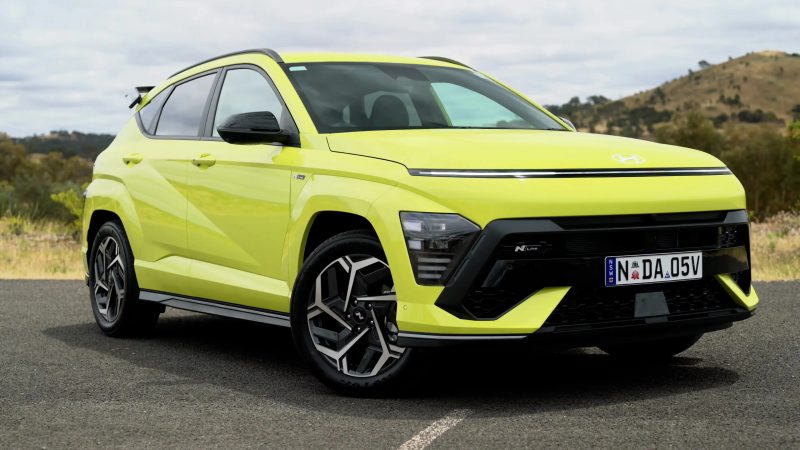
Our review of the Kona Hybrid Premium N Line called it an easy recommendation for buyers who want an efficient, comfortable small SUV, as long as they can live with Hyundai's driver-monitoring and speed-warning alerts, which we found intrusive and often wrong. The hybrid rides well on its multi-link rear suspension, shifts smoothly and has a roomy back seat and a big boot, and the N Line's Alcantara and leather seats were a highlight. On the other side, it's front-drive only, 104kW runs out of puff at highway speeds, our test car used 5.4L/100km against the 3.9L/100km claim, and scratchy cabin plastics let in some road noise.
Latest review
2024 Hyundai Kona Hybrid Premium N Line Review
By Matt Brand
Hyundai Kona key specs
- Powertrain
- Petrol and hybrid
- Seats
- 5
- Engine power
- 104–110kW
- Drive
- FWD
- Fuel use
- 3.9L/100km (Claimed)
- As tested: 2024 Hyundai Kona Hybrid Premium N Line Review
- Safety rating
- Unrated by ANCAP
- As tested: 2024 Hyundai Kona Hybrid Premium N Line Review
- 104kW and 265Nm, 3.9L/100km claimed (Hybrid)
- 110kW and 180Nm (2.0 petrol)
- 5.4L/100km in our test (Hybrid Premium N Line)
- 10.5sec 0-100km/h in our test (Hybrid)
- 407L boot, 1241L with rear seats folded
- 1300kg braked towing (Hybrid)
- Four-star ANCAP rating (2023 protocols)
Buying a Hyundai Kona?
Dealers compete for your deal on CarSauce Buy. Free, no obligation, no haggling.
Latest Hyundai Kona news
All Hyundai news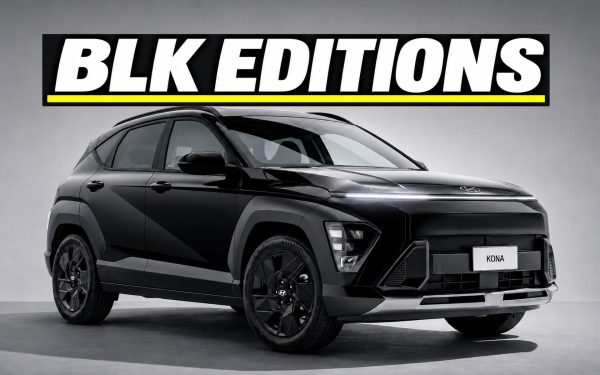
Hyundai's blacked-out Kona and Tucson BLK Editions are hybrid-only, Elite-based and priced from $42,600 and $51,000 before on-roads. Tucson is limited to 750.

Hyundai Kona rivals


Hyundai Kona FAQs
How much is the Hyundai Kona BLK Edition?
The Kona BLK Edition Hybrid is $42,600 before on-road costs, plus $595 for premium paint. It's based on the Kona Hybrid Elite ($39,950) and arrived in showrooms from October 2026, with no cap on numbers.
What does the Kona BLK Edition add?
Over the Elite Hybrid it adds 18-inch black alloy wheels, Bose audio, navigation, a digital instrument cluster, black window surrounds and pillars, a Shadow Grey front bumper garnish, silver skid plates and black Kona badging. It's hybrid-only and front-wheel drive. A Tucson BLK Edition is also available from $51,000, limited to 750 cars.
How much does the Hyundai Kona cost in Australia?
Before on-road costs, the 2.0-litre petrol Kona runs from $33,950 (base) to $45,950 (Premium N Line). The Kona Hybrid runs from $36,950 (base) through $39,950 (Elite) and $45,950 (Premium) to $48,950 (Premium N Line).
How fuel efficient is the Kona Hybrid?
Hyundai claims 3.9L/100km for the Kona Hybrid. Our Hybrid Premium N Line test car averaged 5.4L/100km over its time with us.
How big is the Kona's boot?
Every Kona has a 407-litre boot, growing to 1241 litres with the rear seats folded. The hybrid's battery sits under the rear seat, so it doesn't eat into boot space.
How much can the Hyundai Kona tow?
The Kona Hybrid is rated to tow 1300kg braked.
What warranty does the Hyundai Kona have?
Five years with unlimited kilometres as standard, extending to seven years when all servicing is done at Hyundai. The Kona Hybrid's battery is covered for eight years or 160,000km.
Is the Hyundai Kona safe?
ANCAP gave the current Kona four stars under its tougher 2023 protocols, covering petrol, hybrid and electric versions. It scored 80 per cent for adult and 84 per cent for child occupant protection but fell short in the vulnerable road user and safety assist categories.