Polestar Banned From Selling New Cars in the US from 2027
Polestar will be blocked from selling new cars in the US from 2027 after regulators denied approval under connected vehicle rules.


Polestar has effectively been banned from selling new vehicles in the United States from the 2027 model year, after the US Department of Commerce denied the electric car maker permission to keep operating under new connected vehicle rules.
The Swedish EV brand, which is majority owned by China’s Geely, confirmed the US Department of Commerce’s Bureau of Industry and Security has not granted it authorisation under the current Connected Vehicle Rule.
Car finance or novated leasing could save you thousands
Get a free, no-obligation quote from our finance partner, Loan Options — for straightforward car finance, or package this car through your salary with a novated lease.
That means Polestar will no longer be able to sell new vehicles in the US from model year 2027 onwards.
The rule targets connected vehicles and related software linked to China or Russia, with US officials arguing these vehicles could pose national security risks due to their ability to collect data or be accessed remotely.
According to the US Bureau of Industry and Security, companies from those countries “may be compelled to share data or allow remote access” to connected vehicles in the United States.
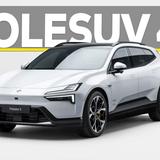
Polestar currently sells the Polestar 3 and Polestar 4 in the US.
Importantly, neither is built in China for the American market.
CNN reports the Polestar 3 sold in the US is built at Volvo’s plant in Charleston, South Carolina, while the Polestar 4 is built in South Korea.
Despite that, Polestar’s Chinese ownership ties appear to have put it on the wrong side of the rule.
The decision is particularly notable because Volvo, which is also majority owned by Geely, was granted authorisation in May to continue operating in the US market.
The Wall Street Journal reports Volvo’s approval followed discussions with US officials about its technology and data security arrangements.
Polestar had been hoping for a similar outcome.
Polestar CEO Michael Lohscheller recently told the Wall Street Journal the company was “in good dialogue with authorities” about securing an exemption.
That approval has not come.
Polestar says it will continue to sell existing stock of the Polestar 3 and Polestar 4 in the US, and will continue supporting existing customers through its service network.
The brand will now shift more of its attention to Europe, which already accounts for close to 80 per cent of its global retail sales.
“The automotive industry is entering a new phase, based on regional dynamics,” said Lohscheller.
“Our strategy reflects that, with Europe being our largest growth engine and our plan to manufacture Polestar 7 in Europe.”
Polestar also says 94 per cent of its retail sales volumes in the first quarter of 2026 came from markets outside the US.
While this does not affect Polestar’s Australian operations, it is a significant moment for the wider car industry.
For now, Polestar will keep selling in markets including Australia, Europe and Canada, but its US new-car business looks set to end unless the company can secure a change in position from American regulators.
Polestar US sales ban explained
Polestar has not received authorisation under US connected vehicle rules that target vehicles and software linked to China or Russia over national security and data security concerns.
The restriction applies from the 2027 model year, meaning Polestar will no longer be able to sell new vehicles in the US from then unless regulators change their position.
No. The Polestar 3 sold in the US is reportedly built in South Carolina, while the Polestar 4 is built in South Korea. The issue appears to relate to Polestar’s Chinese ownership links rather than vehicle assembly location.
Polestar says it will continue supporting existing US customers through its service network and will keep selling existing stock of the Polestar 3 and Polestar 4.
No. Polestar’s Australian operations are not affected by the US decision.
Volvo, which is also majority owned by Geely, was granted authorisation after discussions with US officials about technology and data security arrangements. Polestar had sought a similar outcome but has not received approval.